God’s Redemptive Love
God’s Redemptive Love
by Lynn Jarvis

As we celebrate the church season of Eastertide or the Easter Season, Christians celebrate a 50-day period prolonging the joy of Easter. Because the Eastertide season lasts until Pentecost (June 8, 2025), the day of the initial outpouring of the Holy Spirit on the disciples, I thought a discussion of God’s redemptive love and his gift of the New Covenant through Jesus would be interesting.
I grew up in a New Testament home with a strong Old Testament mentality. I grew up with a deep belief in God, that Jesus was God’s son, and that he died for our sins so we could be forgiven for our sins and have eternal life. I knew that was the most important part, but with that belief, my faith, teachings, and thinking were sprinkled with and sometimes fully intertwined with fear of a vengeful God, an unforgiving God, and a punitive God. Mind you, I didn’t even go to a fire and brimstone church - my preacher was highly educated, and his sermons were lessons based on theology and scripture. However, I did grow up Baptist in the South in a very small town; A very religious town and county with more than 29 Baptist churches, not counting the other denominational churches scattered on opposite corners or down the street. So, surrounded with all this religion and a plethora of preachers, why did I not know of God as loving, caring, and concerned about me or mankind? Why was the focus on punishment and going to hell?
I think a lot of people grew up in situations very similar to mine and have never known the love and acceptance of God without good works and right behavior. But recently, I heard of a new concept - a different way of looking at the Bible and God. It was a real AHA moment for me! Instead of focusing on one or two verses that I heard repeatedly growing up that kept me tied to Old Testament laws, sorrow, and sometimes downright suffering, I heard about the New Covenant. A New Covenant that Jesus brought to us through his death and resurrection - that he came to establish a new relationship between God and me, God and you, God and all humanity. The New Covenant is a relationship with God characterized by the forgiveness of sins instead of punishment, the law written on the hearts of believers instead of on stone tablets or confusing sacred texts, and an indwelling of the Holy Spirit in each of us placed there to help us live according to God’s will instead of an existence focused on external obedience to the law and punishment for failure. Most importantly, a life founded on God’s grace and mercy.

Theology defines a covenant as an agreement which brings about a relationship of commitment between God and his people. Covenants are a central theme in the Bible in the context of God’s relationship with humanity. Accordingly, viewing the covenants between God and humanity provides a framework for understanding the importance of God’s redemptive efforts to bring humanity closer to him and into real relationship with him. While each one of these covenantal stories reveals God to us under different circumstances, we can learn more about God and his relationship with mankind through each one of these covenantal accounts.
The Covenantal Story starts with the Edenic Covenant (also known as the Covenant of Works) and the focus of this covenant is the word RULE. Scripture tells us beginning with Genesis 1:27, that God created man, male and female, in his own image. In Genesis 2 we learn that in the East, in Eden, God had prepared a glorious, bountiful land with all kinds of trees that were pleasing to the eye and good for food. In the middle of the garden were the tree of life and the tree of knowledge of good and evil. We also learn that God created Adam, a representative of all humanity, and Eve, the mother of humanity, with the intention for them to be with God and represent God’s generous rule on earth spreading goodness through the world glorifying God. (Isaiah 43:7) They could enjoy and reproduce blessings of eternal life as long as they continued to trust and partner with God. In Psalm 8, David writes that God made man rulers over the very works of God’s hands, placed man only a little lower than the heavenly beings, and crowned him with glory and honor. David asks what is man that God is mindful of him? What is man that God cares for him? The consistent message of the Bible points to a powerful, awe‑inspiring, majestic, creative God who is at the same time a caring Father who wants a relationship with man who will glorify him.

God placed Adam in the Garden of Eden to work the Garden and take care of it. As God explained the terms of his covenant with Adam, he told Adam that he was free to eat from any tree in the garden except the tree of the knowledge of good and evil, but if he ate from it, Adam would bring the curse of death on all humanity. Sadly, man rebelled against God and neglected his role and position in the Garden. Adam and Eve ate the forbidden fruit and, with their acts, brought sin into the world. The penalty for sin was death. God banished Adam and Eve from the Garden of Eden so that they could not eat from the tree of life and live eternally. Adam’s curse of death is viewed not only as his own eventual death, but the death of all of humanity. With humanity’s loss of eternal life with God, humanity will need something major to happen to reclaim God’s original purpose for man - to be with God and ruling over the earth while glorifying God’s name - but that can only happen if God redeems man from his sin.
The second covenant is referred to as the Adamic Covenant and it is viewed as a covenant of God’s REDEMPTION. In Genesis 3, God curses the serpent, (Satan), man (humanity), woman (seed of life), and the earth, but he also reveals his unconditional covenant. In Genesis 3:15, God puts enmity between Satan and the woman’s seed (Jesus), and between Satan’s offspring and mankind’s offspring saying “he will crush your head, and you will strike his heel. This passage foreshadows the coming of Jesus and alerts us that while Satan will inflict minor damage on Christ through crucifixion, Christ will inflict major damage on Satan by defeating the curse of humanity’s sin/death through his own death as a sacrifice that atones for the sins of humanity and offers forgiveness, REDEMPTION, and reconciliation with God.

The third covenant, referred to as the Noahic Covenant, occurred approximately 1,056 years after Adam, based on the genealogy found in Genesis 5. This same genealogy works like Ancestry.com to show us that Adam was Noah’s eight‑times great‑grandfather, and Noah was the tenth generation lineal son of Adam. The Noahic Covenant is known as an example of God’s RESTRAINT. In Genesis 6, we learn that in the years following Adam and Eve’s banishment from the Garden of Eden, the earth had become a place of continual evil, a sick and depraved level of sin, which caused God grief and sorrow. God was so disgusted with the level of corruption and violence on earth that he declared that he would destroy all mankind and all the animals on the earth. However, in Genesis 6:8-9, the scripture states that “Noah found grace in the eyes of the Lord,” and that “Noah was a just man and perfect in his generations, and Noah walked with God.” God had Noah build an ark, and God made his covenant with Noah allowing him and his wife and his sons and their wives and two of every living animal, one male and one female, and seven of every clean animal and fowl to come into the ark to keep them alive. God brought the great flood destroying every living creature on earth. Only Noah, his family, and the animals in the ark survived.
Once the flood waters had abated, God blessed Noah and his sons, telling them to be fruitful and multiply. As another blessing, God also gave everything that lives and moves upon the earth as food for humanity, but God said you must not eat meat that has its lifeblood still in it.[1] God said, “Whoever sheds the blood of man, by man shall his blood be shed, for in the image of God has He made man.” (Genesis 9:6) Then God made a covenant with Noah, his descendants, and every living creature on earth, that never again will the waters become a flood to destroy all life. God provided the rainbow as a sign of his everlasting covenant with all life on earth. God RESTRAINED his wrath, and allowed humanity, through Noah, to survive as God keeps his promise to rescue humanity and creation through the “offspring of the woman” (Gen. 3:15) as he blesses Noah’s sons with descendants who scattered over the earth.
The fourth covenant is called the Abrahamic covenant, and it was necessary following mankind’s change of focus from glorifying God to making a name for themselves – glorifying themselves instead of God and living as if they did not need God in their lives. The Abrahamic covenant takes place after God came down to see the Tower of Bable, confused the language of the people, and scattered them over all the earth. (Gen. 11) The focus of the Abrahamic covenant is RESTORE, and it marks a pivotal moment in God’s plan for humanity. God chooses Abraham (Abram) as the one man God will use to RESTORE his people to himself. He chooses Abraham because of his remarkable faith and willingness to obey God’s commands, even when they are difficult. God makes a covenant with Abraham promising him land - Israel, to make him the father of a great nation – the Jewish people, and blessing – that the Jewish people would be the touchstone through which all people would know of God. The Abrahamic covenant established the promise of a Messiah who would bring salvation to all nations. In Genesis 12:3, God promises Abraham that “all peoples on earth will be blessed through you.” In exchange, Abraham was to circumcise all his sons and any sons purchased from foreigners. God kept his promises to Abraham as (1) the Jewish people grew to a mighty number while enslaved in Egypt; (2) Egypt was cursed greatly for its treatment of the Jewish people; and (3) Moses brought them safely out of Egypt in the Exodus.
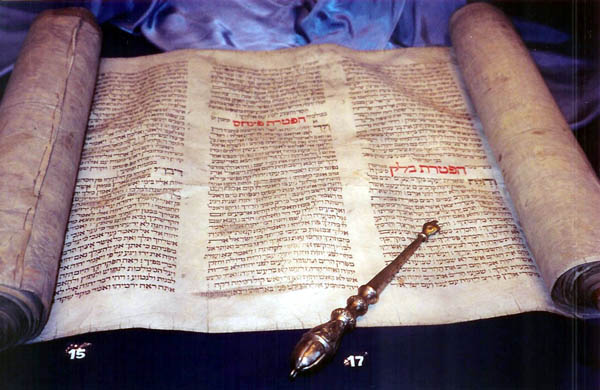
The fifth covenant is called the Mosaic covenant (also known as the Sinaitic Covenant) and the focus of this covenant is REVEAL. Through this covenant, God establishes a bilateral agreement between God and the Israelites, outlining the terms of their relationship. The covenant takes place beginning with Moses’ receipt of the Ten Commandments from God at Mount Sinai and included the Ten Commandments and a large body of laws covering all aspects of their lives, providing guidance for God’s expectations for how the Israelites would live their daily lives. The Ten Commandments and the laws were designed to teach the righteous standards of God and REVEAL man’s sin. The covenant was temporary until Christ fulfilled its every requirement by living perfectly and dying as the perfect sacrifice for the sins of all who believed. The covenant promised blessings for obedience and consequences for disobedience. In return for their obedience, God promised to make the Israelites his chosen people, a priestly kingdom and a holy nation, signifying their special relationship with God.
[1] Prior to this point humans were vegetarians, as were Adam and Eve in the Garden of Eden.
Once God leads his people, now a great nation, into the promised land, they start losing sight of their covenant with God made at Mount Sinai and begin clamoring for a king, increasing their desire to be like other nations. God chooses David to become king over Israel and David becomes a successful leader, overcoming Israel’s enemies and restoring order to the Israelites. However, David, who loves the Lord with all his heart, has decided he wants to build a temple so God can dwell with his people again. God does not want an earthly temple built so he enters into a covenant with David. The sixth covenant is the Davidic covenant, and the focus of this covenant is REIGN. God promises to make David’s name great, and that David will have a descendant whose throne and kingdom will last forever. (2 Sam. 7:12-16) In exchange, David and his descendants must remain faithful to God following all covenantal laws. While David and his sons are unable to faithfully keep the covenantal laws and encounter failures, God keeps his promise to provide a faithful descendant of David who will REIGN.
The New Covenant, our sixth covenant, is a shift from a law-based relationship with God to a grace‑based relationship, where God’s love and mercy are freely offered to those who believe in Jesus. The focus of this covenant is on PROMISES. The Book of Hebrews is a letter written to the Jewish people, after Jesus’ ascension into heaven, to help them let go of the old laws and ways and embrace Jesus as the new priest, a perfect priest, a forever priest and one who brings a New Covenant to God’s people. We learn that the old covenant has been made obsolete and has been replaced by a New Covenant (Heb. 8:7-13). We are released from following the laws of the old covenant. The New Covenant promises that we can put our total trust and devotion in Jesus because he is superior to anyone and anything and that Jesus’ death was the ultimate sacrifice covering all the sins of the entire world. In exchange for these and other PROMISES, we are warned not to walk away from Jesus no matter what difficulty we face because that would mean we have rejected God’s gracious offer of forgiveness (Heb. 10:26-39).
The New Covenant brings a better hope by which we draw near to God (Hebrews 7:18). The New Covenant is created by God’s oath to his son, Jesus, naming him a Supreme High Priest, when God said to him: “The Lord has sworn and will not change his mind: ‘You are a priest forever.’” (Heb. 7:21) No other priest had been given an oath, and an oath is considered an even higher guarantee than a covenant. The New Covenant creates a new relationship between God and humanity, mediated by Jesus’ sacrifice and death. So, because Jesus lives forever, he is able to save completely those who come to God through him. We are also told that Jesus always lives to intercede for those who believe in him (Heb. 7:25). He is compassionate, empathetic, and personal.
The New Covenant is the culmination of all God has PROMISED – forgiveness of sin, his law written in our minds and on our hearts, and eternal life, all ushered in as foretold by a faithful king from David’s lineage who will restore everything that has been broken since God formed Adam and Eve in his own image, and they brought sin and death into the world. God promises that he will be our God, and we will be his people, restoring the relationship lost through sin and creating a new relationship with God created and sustained through our faith in and love for God and belief in Jesus. The New Covenant promises that Jesus understands our suffering because he walked and lived among us and felt all the human emotions we feel. It promises a world where grace and forgiveness create a desire in us to obey God’s will as opposed to one where fear of harsh consequences drives humanity’s behavior
As we can see from God’s efforts through each of these covenants, God created us to be in relationship with him and to glorify him. With each covenant, it becomes clearer and more understandable that God wants us to follow him and maintain right relationship with him. But, most importantly, we can see that God loves humanity and kept working with humanity to bring us back into relationship with him. God has opened the way for every nation, lineage, and tongue, who trust Jesus, to become part of God’s covenant family. “For God so loved the world that he gave his one and only Son, that whoever believes in him shall not perish but have eternal life” (John 3:16). Even after all humanity’s failings, God’s redemptive love promises that all believers will receive forgiveness of sins, eternal life, and the presence of the Holy Spirit living within our hearts to help us live lives that glorify God.